
-

The Power of Frequent Software Delivery
Delivering working software frequently, ideally within weeks, enhances feedback and reduces risks. Frequent releases create a rhythm for improvement, unlike quarterly launches that can lead to outdated features. Regular delivery fosters momentum and prioritizes valuable work, making it essential for teams to identify barriers to more frequent releases.
-

Embracing Change in Agile: A Competitive Advantage – Principle 2
The content emphasizes the importance of embracing change in agile development. While change can prompt discomfort and rework, it presents opportunities for improvement and responsiveness to shifting customer needs. Organizations that adapt swiftly can maintain relevance and competitive advantage, highlighting resilience as a critical quality for ongoing value delivery.
-

Fire Hazards
Once upon a time there was a team of dedicated, intelligent, passionate developers and QA engineers who worked on XYZ platform at ABC company. Every day they came to work with the intention of building the best dang platform that ABC had ever seen. However, this team was NOT the original builders. They were the…
-
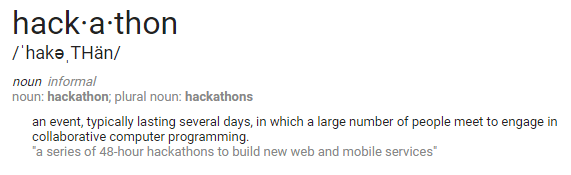
Hackathon How-To
Recently, my company did its second-ever hackathon. It was somewhat thrown together, but I think the results were amazing. It provided all the scrum teams with a much-needed break from the everyday grind, but more importantly, it gave them the opportunity to work on something they felt passionately about. My company wants to give these…
-
Don’t Take Daily Stand-ups for Granted
For the uninitiated, gathering every day for 15 minutes to discuss the goings-on of current work might seem a little redundant and useless. All the same people say many of the same things over and over again. But to the experienced, there’s a lot more to it than that.
-
Traditional Project Management vs. Agile Project Management: Week 4
So in my current role of PM, I’m experiencing the NEED to babysit EVERYONE on this project far more than I have in the past as a Scrum Master. Here are some examples: No one is sharing information even after I’ve requested it. I have to pull it from them. For instance, I had no…
-
Managers CAN Help Self-Managed Teams!
One of the tenets of agile is forming self-organizing teams. This brings autonomy and ownership to the teams that helps promote the agile value that favors individuals and interactions over processes and tools. If the very definition of a self-managing team is a self-organized, semi-autonomous small group of employees whose members determine, plan, and manage…
 Scrum Bubbles