
-

Spec-Driven Development Meets Agile: A Hybrid Approach
The post discusses the evolution of Agile methodologies towards a hybrid model that integrates Spec-Driven Development (SDD) for stability and traditional Agile for adaptability. This approach balances clarity and creativity, addressing the needs of complex projects in regulated industries while focusing on outcomes rather than outputs, ultimately enhancing team autonomy and alignment.
-
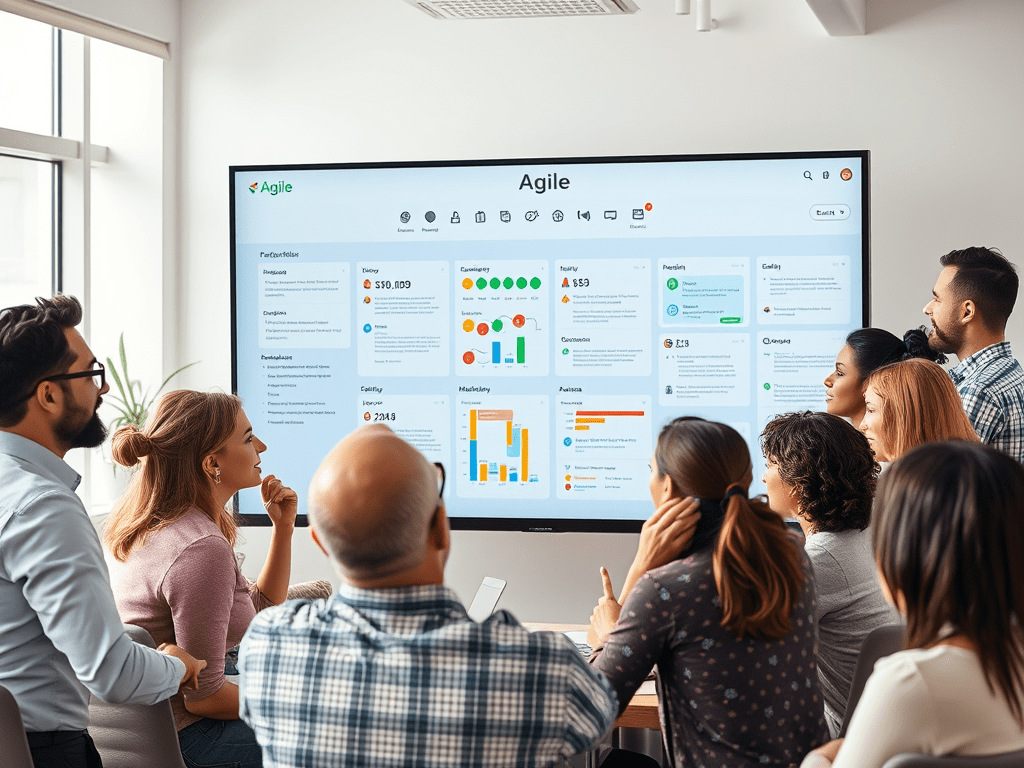
Agile Tooling Beyond Engineering—The Evolution of Jira and OthersAgile
Agile tools have evolved beyond software teams, now aiding HR, marketing, finance, and operations in managing workflows. While platforms like Jira and Asana enhance collaboration, caution is needed to maintain a human-centered approach. These tools should support agility, focusing on people and outcomes rather than becoming compliance-driven metrics.
-

Adopting an Agile Mindset Across the Organization
Agility transcends software, emerging as a crucial mindset for all business functions facing rapid changes. Organizations must focus on shared values and behaviors, with leaders modeling agility through inquiry and adaptability. By fostering collaboration and prioritizing learning over mere output, companies enhance resilience and responsiveness, driving continuous value delivery.
-

Empowering Agile Teams with AI Tools
AI-powered tools can enhance Agile teams by automating mundane tasks, which enables more focus on collaboration and creativity. However, it’s crucial to ensure these tools enhance, rather than replace, meaningful conversations. Prioritizing psychological safety and maintaining the team’s core values will prevent the misuse of data and promote effective teamwork.
-

Effective Strategies for Remote Agile Meetings
Hybrid and remote Agile meetings require adaptation to maximize effectiveness. Research shows in-person retrospectives excel, while information-sharing benefits from online formats. Agile leaders must design meetings intentionally, respect team energy, ensure inclusion, and reimagine practices for digital collaboration. Ultimately, prioritizing meaningful interaction fosters connected and engaged teams across diverse environments.
 Scrum Bubbles